- Ref
- PSI/PRESS/2026-09
- Status
- For immediate release
- Updated
- 28 Sep 2026
- Contact
- hello@playpsi.com
PSI: ESP Training
The intuition card game
Three superpowers spent decades testing ESP in secret. A solo developer in Sydney just put the test in your pocket, free.
PSI: ESP Training is a card game for testing your intuition.
- Press kit Download ZIP Pending
- Contact Email press
-
App Store

01 Trailer
[YouTube URL, under 2 minutes]
/press/video/psi-trailer-1080p.mp4
02 Screenshots 6 files · 1320 × 2868 · PNG
Raw captures /press/screenshots/
-
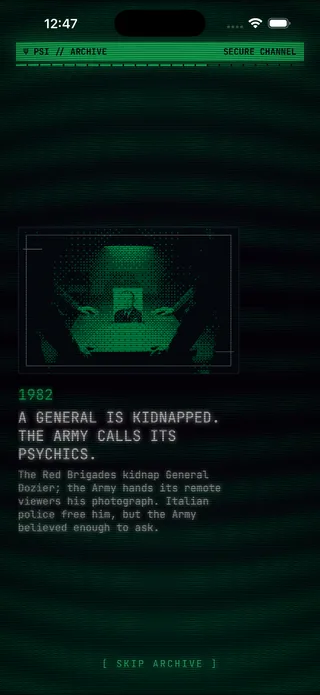
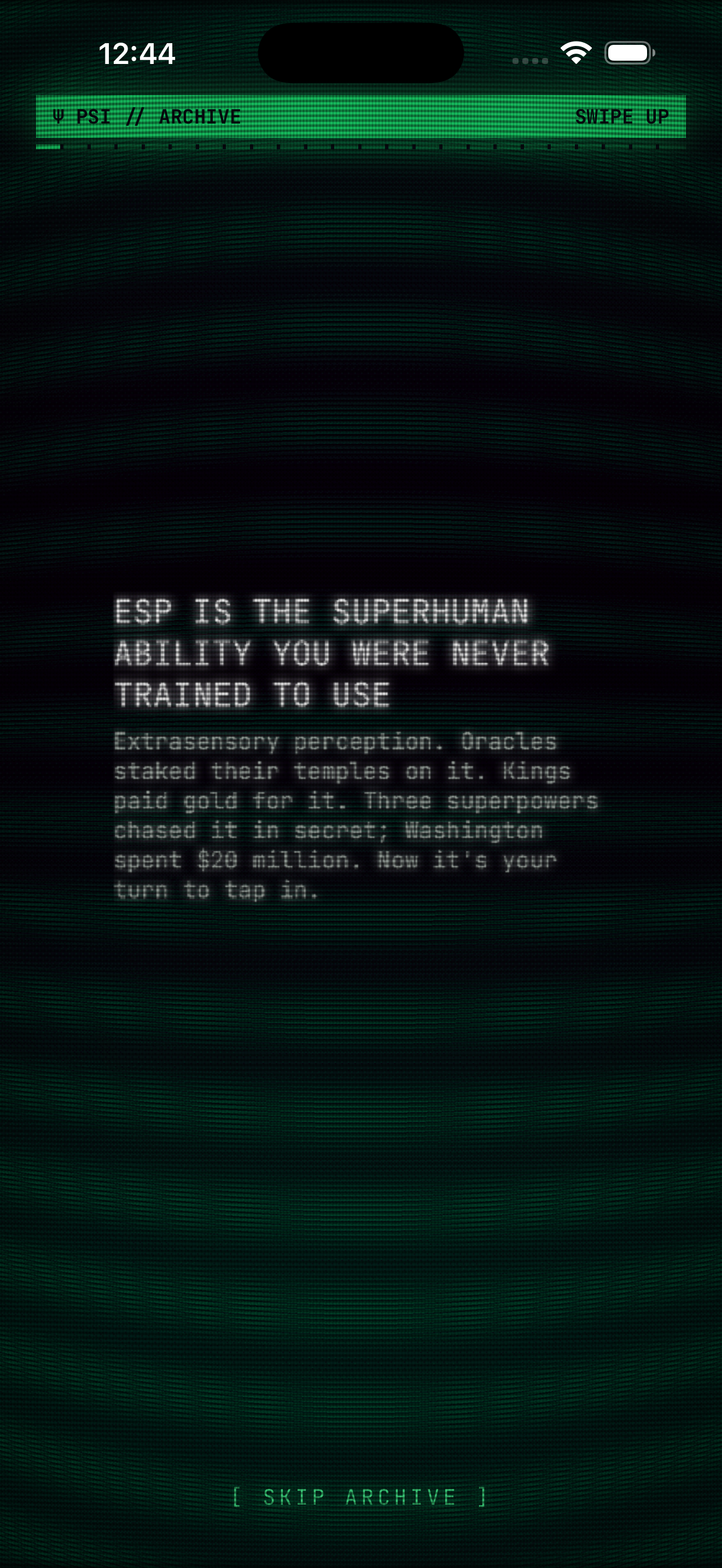
Exhibit 01 psi-screenshot-archive-1982.png -
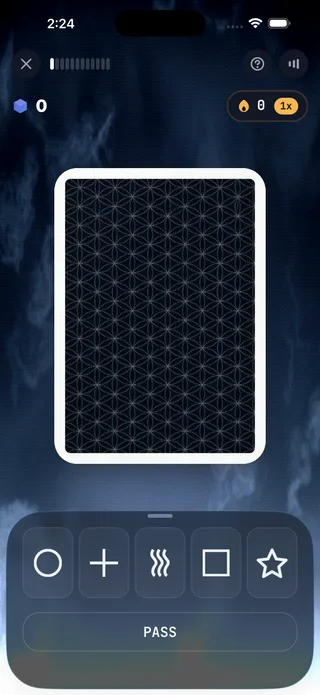
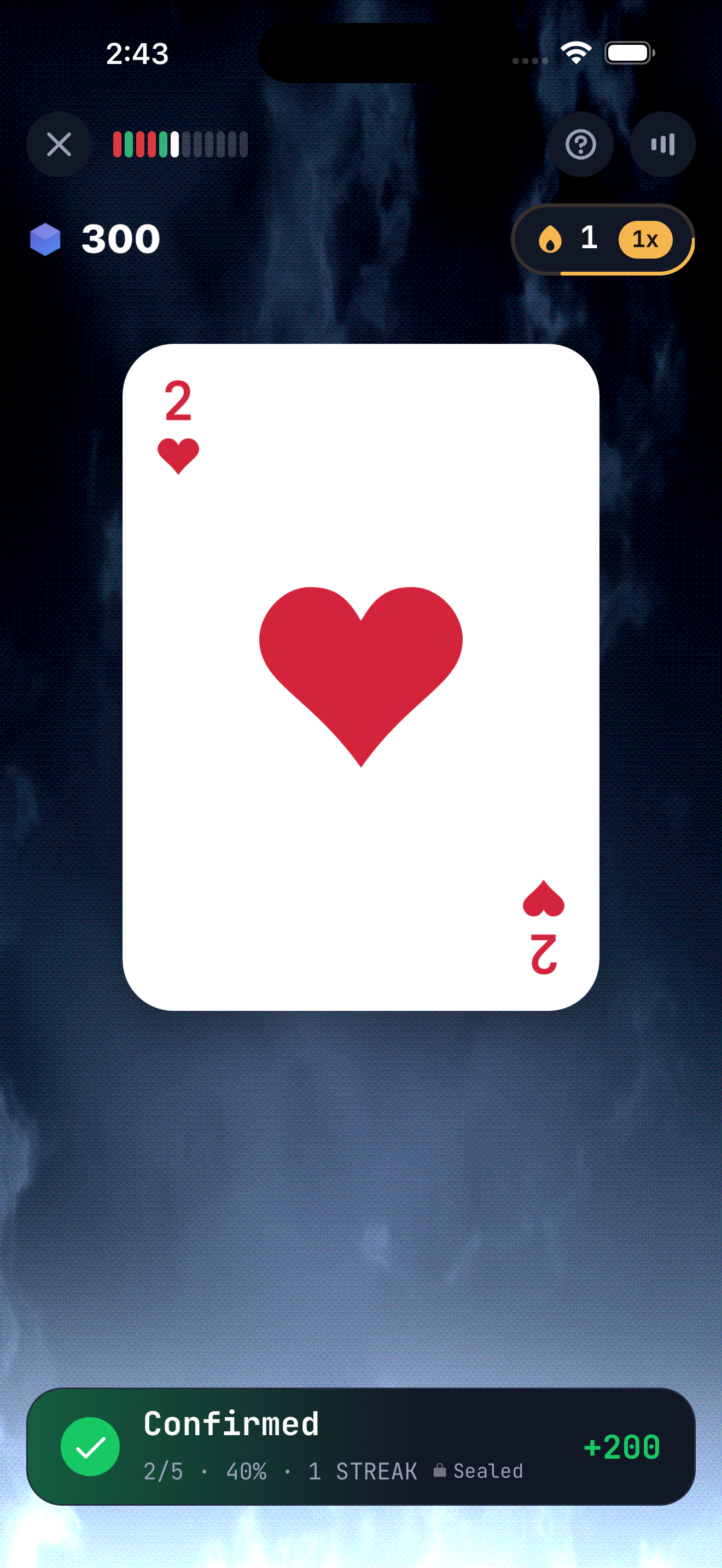
Exhibit 02 psi-screenshot-call.png -
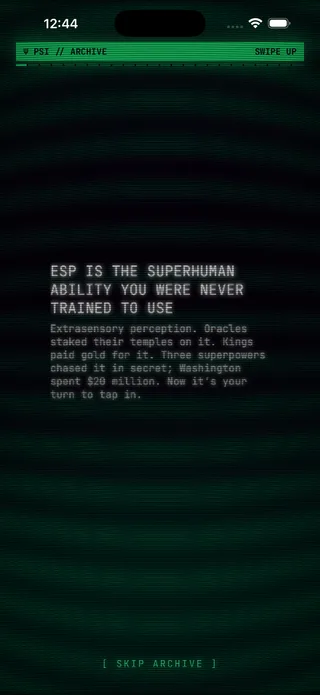
Exhibit 03 psi-screenshot-induction.png -
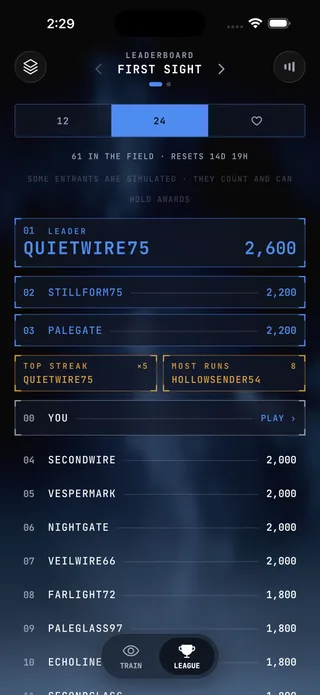
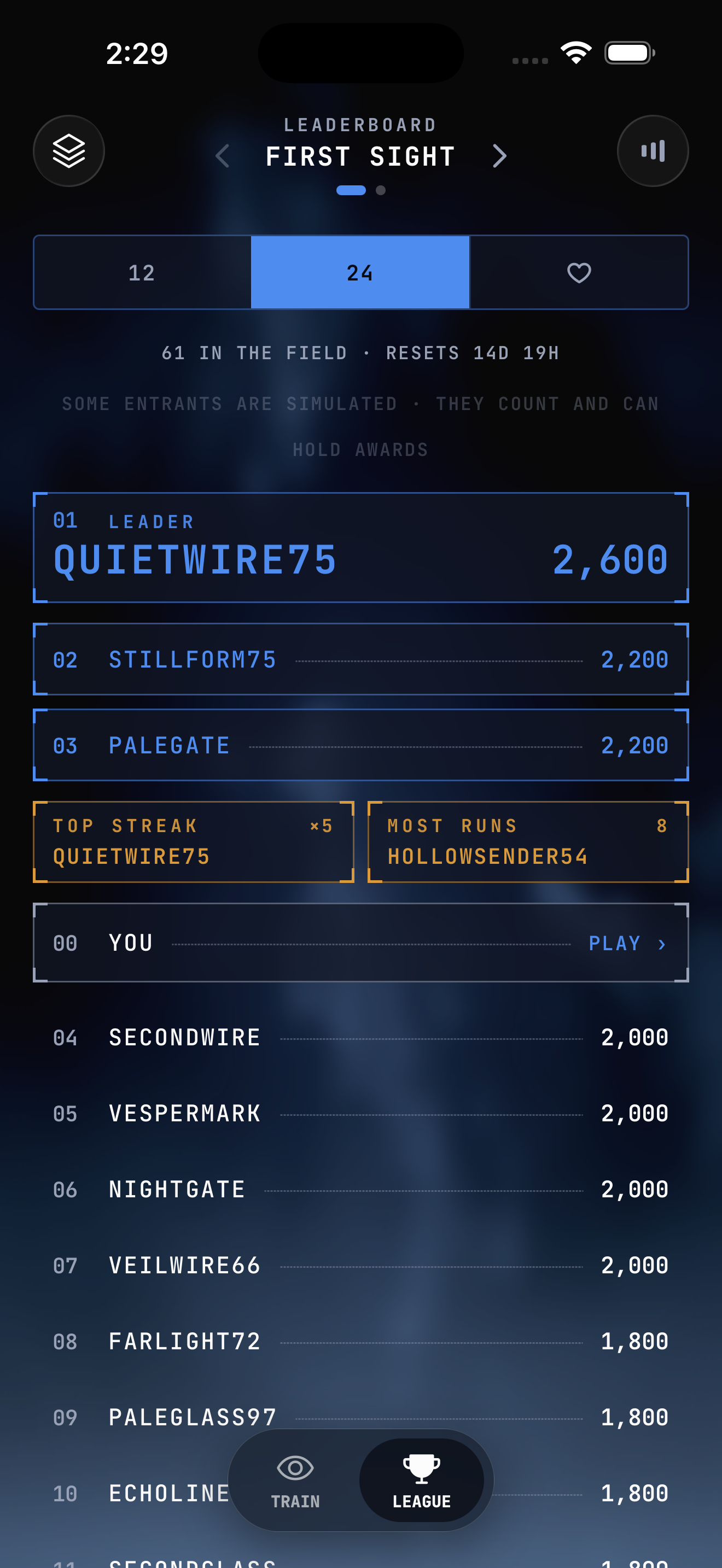
Exhibit 04 psi-screenshot-league.png -
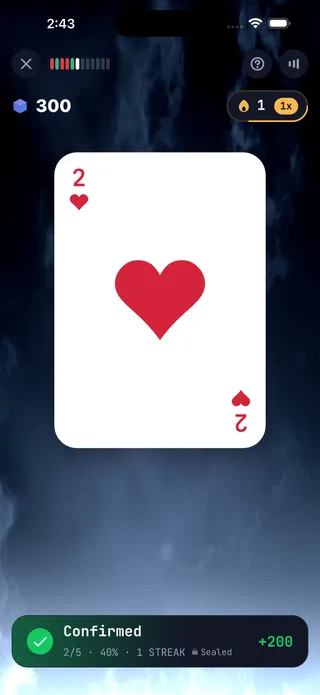
Exhibit 05 psi-screenshot-reveal.png -
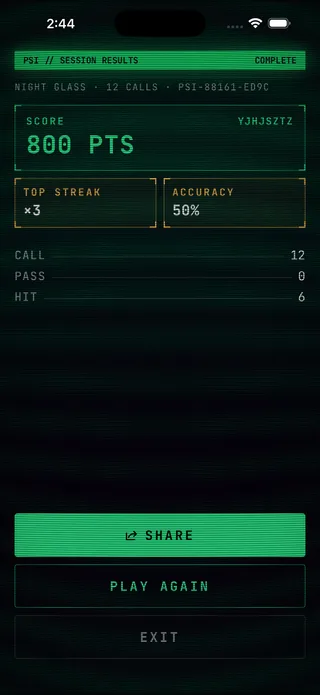
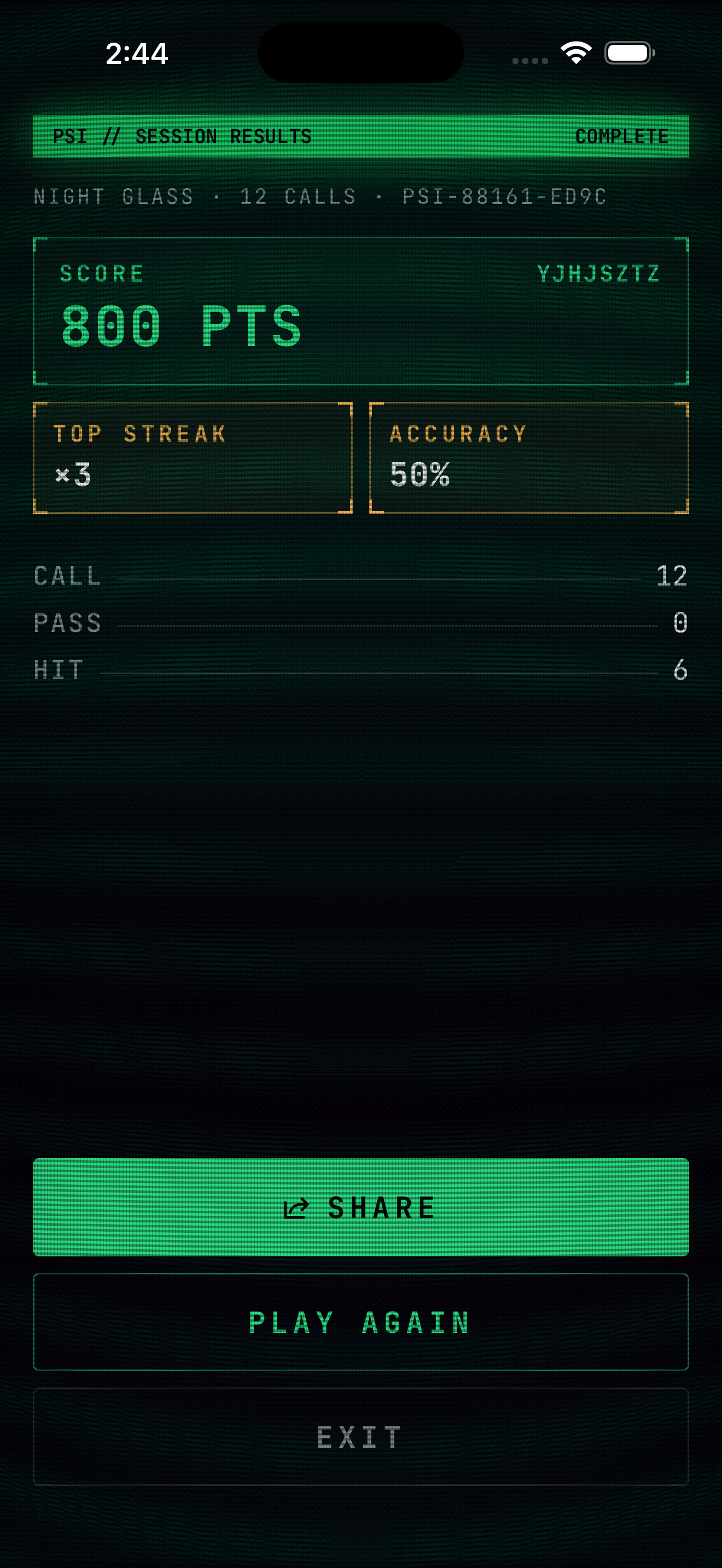
Exhibit 06 psi-screenshot-session-results.png
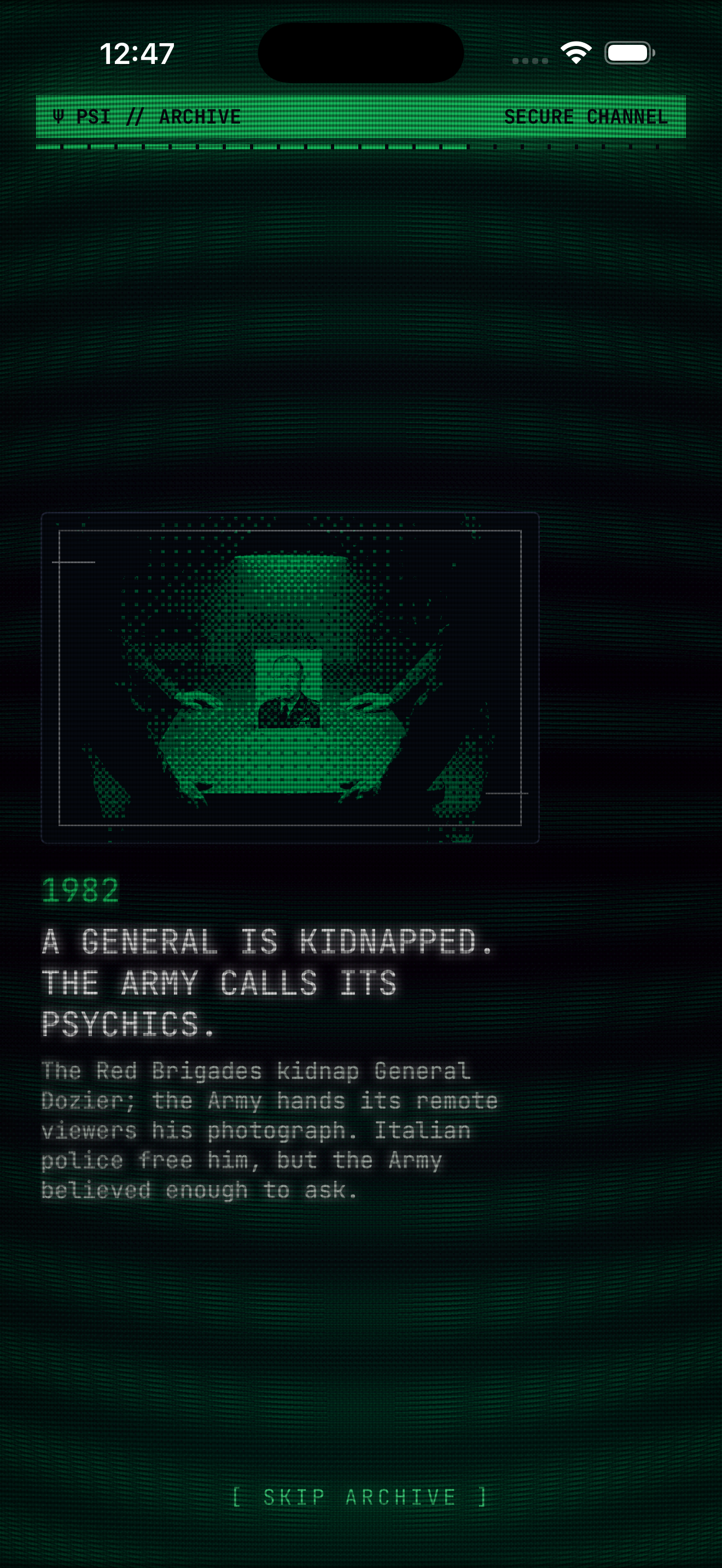
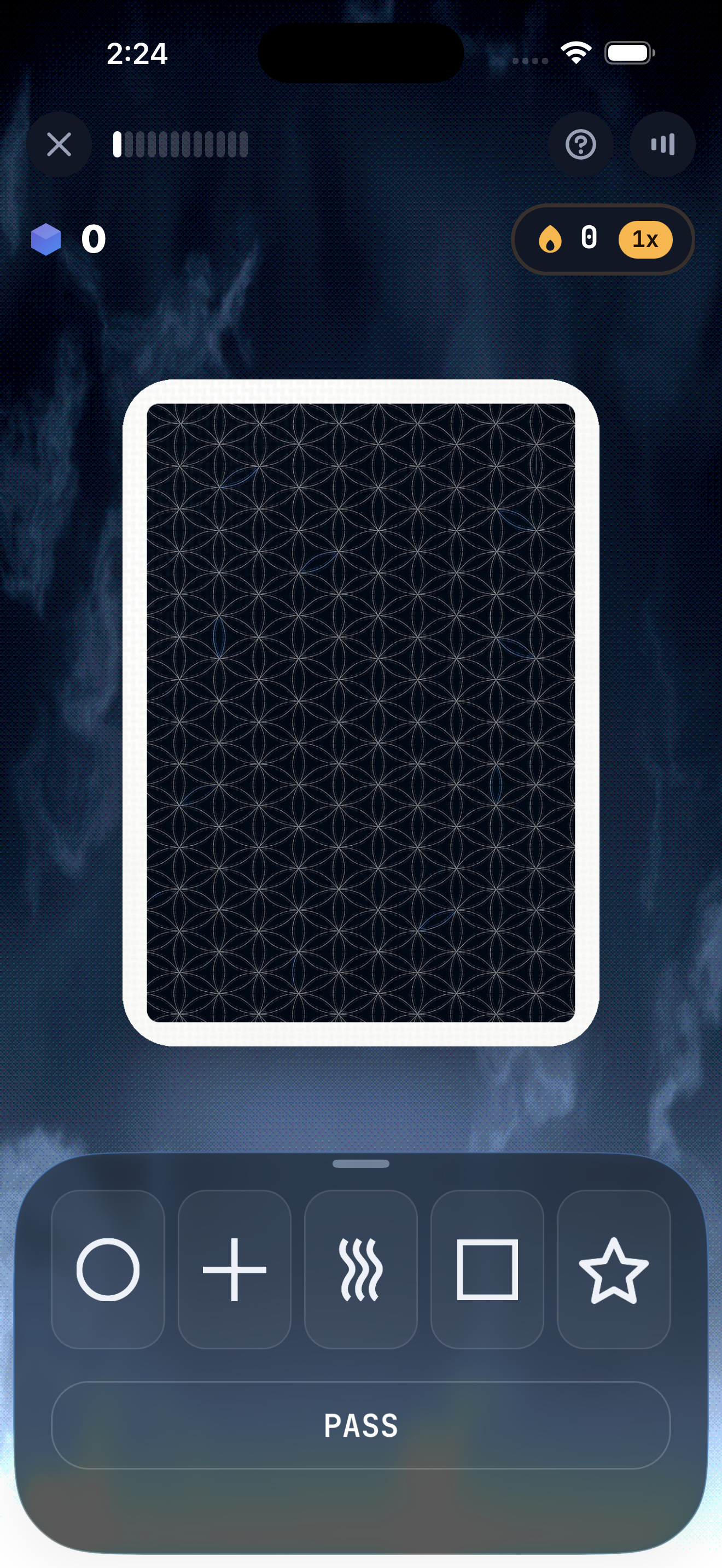
Device-framed /press/screenshots/framed/
/press/screenshots/framed/psi-screenshot-<slug>.png
03 Description
PSI: ESP Training is a card game for testing your intuition. Each card is drawn with cryptographic randomness and locked in code before you call it.
There is a signal you may have felt before. The card you knew before it turned. The friend who texted the moment you thought of them. The bad feeling about a person or place before you knew why. The dream about the thing that then happened. Everybody has a story like that. Almost nobody has a score. Most people learn to laugh it off. A few learn to harness it. PSI is the Program built to make a sixth sense as ordinary as the other five, and the door is now open to you.
The game is simple. The app draws a card, hides it, and waits for your call. The card flips, and your hit or miss goes on a record scored against chance. That record is the point. One good run is luck. A hundred is something else, and a record kept over months is where the truth shows up: whether you're tapped in or just lucky.
Through the door is the Program. Its codename is FIRST LIGHT, the name astronomers give the moment a new instrument first sees, and here the instrument is you. As a new player, you're inducted on a phosphor-green terminal and given a codename. Your contact on the inside is FIREFLY.
Beyond the terminal is the Field. It has always been there, in every room you've ever sat in, invisible to the five senses you were told were the limit. Every faint intuitive signal you've ever had came from it. Inside the Program you'll learn the secrets of power that have turned this sense down in all of us: dozens of receptors behind it, in everyone, powered down and forgotten. Your mission is to turn the light back up.
Key features
- First Sight. Five symbols, one call. Circle, cross, waves, square, star: the deck Karl Zener drew for J. B. Rhine's Duke lab in the 1930s. Chance is 1 in 5. Beat it and the room goes quiet.
- Night Glass. A real 52-card deck, and you choose how far to go. Red or black is 1 in 2. Suit is 1 in 4. Rank is 1 in 13. Name the whole card and it's 1 in 52. The odds get long. The hits get loud.
- Signal Index. One number that rates whether you're above chance: your last 100 calls per deck, misses included, passes left out. It can go up. It can go down.
- Solo Runs. No partner, no shuffling, no setup. Open the app and run 12 or 24 calls, or Survival on 5 lives. The deck resets after every card, so every call is a fresh deal at the same odds.
- Party Mode. Round Robin: 2 to 8 friends, one phone. A hit keeps the phone and builds your streak. A miss passes it on. By the third hit nobody's laughing. Streaks make people superstitious, fast.
- ESP League. Climb the monthly board, or set a global record in the Hall of Fame, a public record of what ordinary people can do with this sense.
- Learn The Method. 21 short modules on the skill behind the call: how to settle, how a signal shows up, how to tell it from a guess. A hundred-year paper trail behind them, from the Duke lab to the declassified files.
04 Why it exists
Washington spent $20 million over two decades testing whether people can sense a hidden target, then filed the answer as inconclusive. Moscow and Beijing ran programs of their own. Thomas Nguyen has been reading those files since he was 12. What turned them into an app was a card game he played with friends: cards face down, everyone calls the next one, and the streaks made people superstitious fast. Someone would name the exact card, suit and rank, more than once in a night. He got tired of shuffling, and he wanted a deck he could trust, with every card sealed in code before anyone calls, never after.
'I built it for myself, and for kids like my cousins, so they get to test their senses before someone tells them they can't,' said Thomas Nguyen, PSI's developer. 'Most calls miss. That's the odds. But when someone names the exact card twice in one night, everyone gets suspicious, fast. Is the deck rigged? Is she psychic?'
05 FAQ 20 questions
Is this a test? Can I fail it?
No. It's training. No session passes or fails you. Each one ends with a score, like 12 calls, 3 above chance, and the score goes on your record.
Do I have to believe in any of this to play?
No. Nothing in the app asks what you believe, before your call or after it. You call, the card flips, the record keeps score, and the number is yours either way.
How long does a session take?
As long as you take. A session is 12 or 24 calls, or Survival, which runs until your fifth miss. There's no clock on a call. The only timer in the game is the 1.2 seconds you get to undo one.
How do I know the app didn't pick the card after I called it?
The card is drawn with cryptographic randomness and locked in code before you see anything, and your call is stamped at the tap. Each round is chained to the one before it, so a card changed after the fact breaks the chain. Every stat is rebuilt from that chain.
Is it rigged?
The deck has no opinion of you. It can't flatter you or punish you. Each card comes from the phone's secure random generator and is sealed before your call, and the draw never reads your record.
What stops me from cheating my own score?
Not much you'd want. Sessions are a fixed length. The deck resets after every card, so there's nothing to count, and the Signal Index only reads whole runs. You can walk out of a run, and a run you quit doesn't count, whether you were ahead or behind.
What's a good score, and how many calls before it means anything?
Better than chance, over 100 calls. On the 5-symbol deck, chance is 20 hits in 100. The Signal Index reads your last 100 calls per deck, misses in, passes out, and only finished solo runs count. It shows a provisional number from 20 calls and settles at 100. It can go down.
I got a bad score. Does that mean I've got nothing?
It means you had a bad run, which is what chance looks like most nights. On this deck the odds miss 4 calls in 5. The miss goes on the record next to the hits, and the Index reads your last 100 calls, not one night. If nothing comes on a card, pass; a pass never counts against you. Then you go again.
I hit five in a row. Is that a big deal?
For the evening, yes. For the record, not yet. Five straight on the 5-symbol deck comes up about once in 3,000 five-call stretches, and a long record has a lot of those. That's why the Index reads 100 calls, not 5.
What if nothing comes to me? Do I have to guess?
No. Pass. The pass goes on the record but never counts against your hit rate, so you're never made to call blind.
Will I get better if I keep at it?
Nobody can promise you a number, and PSI doesn't. It promises you'll know. The Index moves with your last 100 calls, up or down, and Learn The Method has 21 short modules on the skill behind the call: how to settle, how a signal shows up, how to tell it from a guess.
Is there a trick to it, or do I just guess?
There's a method, and it's there to stop the guessing. Settle first. Notice what shows up before you reach for it. Call that, and pass when nothing comes. The modules go deeper: what a signal feels like, how to take the first impression, and why you stopped noticing.
Why an app and not real cards?
Because a real deck can't be sealed. Someone shuffles, someone holds the target, and the odds drift as the deck runs down. PSI came out of exactly that card game: the developer got tired of shuffling and wanted a deck he could trust. Here the card is locked before you call, and the deck resets after every card.
Is it really free, or is there a catch?
Free, with no account and no ads. You get 14 days of full access, then 3 free sessions a day, for good. The 14 days is counted on your phone: no subscription starts, nothing is charged, and there's nothing to cancel. PSI PRO lifts the daily limit, and your score, record and stats are never behind it.
What do I get with PRO?
Unlimited sessions, one streak repair a month, new deck designs from the Pro collection, and the option to change your codename. US$7.99 a month or US$49.99 a year, about 40 per cent off the first period, then full price. It renews until you cancel. Your score, record and stats are never paywalled.
What happens to my data? Who can see it?
Your record lives on your phone. Finished runs also go to PSI's server for the League, under a random ID made at install with no name or email attached. The board shows a codename you chose. Nothing is sold or tracked, and no study is run on it. Delete My Data in Settings erases your record and codename on the phone and the server.
Is the CIA stuff true?
The history is. Washington spent $20 million over two decades, across the CIA, DIA and Army intelligence, testing whether people can sense a hidden target. It filed the answer as inconclusive and closed the program as Star Gate in 1995. The Archive in the app cites it. The Program, FIRST LIGHT and FIREFLY are the game's fiction, and PSI has no link to any agency.
Is this like a psychic reading?
No. PSI predicts nothing about your life. It shows you a card you can't see, records your call, and scores the record against chance. That's the whole instrument.
Can I play it with my friends?
Yes. Round Robin is the party mode: 2 to 8 friends, one phone. You call, the card flips. A hit keeps the phone and builds your streak, a miss passes it on, and a tie at the top goes to sudden death. Party games stay out of your personal record. The League is global.
Can my kid play?
From 13. PSI is rated 13+: no chat, no messages, no gambling. The only thing another player ever sees is a codename on the League board, which can be reported or blocked. It was built partly for kids like the developer's cousins, so they get to test their senses before the world tells them they can't.
06 Logo, icon & key art



/press/logo/psi-wordmark-light.png
/press/logo/psi-wordmark-dark.png
/press/logo/psi-icon-light.png
/press/logo/psi-icon-dark.png
/press/key-art/psi-key-art-1920x1080.jpg
/press/key-art/psi-key-art-1920x1080-nologo.jpg
Marks
The file's stamps and seal, as transparent PNGs at 2×. Rendered from this page; rerun scripts/make-press-marks.mjs after a change.






07 Press releases
08 Review copies & creators
Review codes: available on request, hello@playpsi.com
Creators: you can stream, record and monetise PSI on YouTube, Twitch, TikTok and anywhere else without asking. Name the game and link playpsi.com. Creator codes come from the same address.
09 About PSI / the developer
About PSI
PSI is the serious company for a question the world treats as a joke. It neither laughs nor promises; it measures. Every target is sealed before the call, and every number is rebuilt from the sealed record. That record is yours to keep, check and show. PSI is made in Sydney by Thomas Nguyen. playpsi.com
About the developer
Thomas Nguyen is a designer and developer in Sydney, Australia. He has followed the ESP research since he was 12 and trained from Ingo Swann's books. PSI is his first game, built solo, to make ESP ordinary.
/press/founder/thomas-nguyen.jpg
10 Contact
hello@playpsi.com
Thomas Nguyen, hello@playpsi.com, playpsi.com, @callitpsi on X, TikTok, Instagram and YouTube. Press kit: playpsi.com/press